
Author: qpfhxw

  • Think your child has ADHD? What your pediatrician can do

    Think your child has ADHD? What your pediatrician can do

    A green blackboard with the letters A D H D in chalk, with hand-drawn, squiggly arrows in multiple colors of chalk pointing outward in all directions from the letters.

    ADHD, or attention deficit hyperactivity disorder, is the most common neurobehavioral disorder of childhood. It affects approximately 7% to 8% of all children and youth in the US. As the American Academy of Pediatrics (AAP) points out in their clinical practice guideline for ADHD, that’s more than the mental health system can handle, which means that pediatricians need to step up and help out.

    So, if your child is having problems with attention, focus, hyperactivity, impulsivity, or some combination of those, and is at least 4 years old, your first step should be an appointment with your child’s primary care doctor.

    What steps will your pediatrician take?

    According to the AAP, here’s what your doctor should do:

    Take a history. Your doctor should ask you lots of questions about what is going on. Be ready to give details and examples.

    Ask you to fill out a questionnaire about your child. Your doctor should also give you a questionnaire to give to your child’s teacher or guidance counselor.

    A diagnosis of ADHD is made only if a child has symptoms that are

    • present in more than one setting: For most children, that would be both home and school. If symptoms are only present in one setting, it’s less likely to be ADHD and more likely to be related to that setting. For example, a child who only has problems at school may have a learning disability.
    • causing a problem in both of those settings: If a child is active and/or easily distracted, but is getting good grades, isn’t causing problems in class, and has good relationships in school and at home, there is not a problem. It bears watching, but it could be just personality or temperament.

    There are ADHD rating scales that have been studied and shown to be reliable, such as the Vanderbilt and the Conners assessments. These scales can be very helpful, not just in making diagnoses, but also in following the progress of a child over time.

    Screen your child for other problems. There are problems that can mimic ADHD, such as learning disabilities, depression, or even hearing problems. Additionally, children who have ADHD can also have learning disabilities, depression, or substance use. It’s important to ask enough questions and get enough information to be sure.

    Discussing treatment options for ADHD

    If a diagnosis of ADHD is made, your pediatrician should discuss treatment options with you.

    • For 4- and 5-year-olds: The best place to begin is really with parent training on managing behavior, and getting support in the classroom. Medications should only be considered in this age group if those interventions don’t help, and the child’s symptoms are causing significant problems.
    • For 6- to 12-year-olds: Along with parent training and behavioral support, medications can be very helpful. Primary care providers can prescribe one of the FDA-approved medications for ADHD (stimulants, atomoxetine, guanfacine, or clonidine). In this age group, formal classroom support in the form of an Individualized Education Program (IEP) or a 504 plan should be in place.
    • For 12- to 18-year-olds: The same school programs and behavioral health support should be in place. Medications can be helpful, but teens should be part of that decision process; shared decision-making is an important part of caring for teens, and for getting them ready to take on their own care when they become adults.

    Follow-up care for a child with ADHD

    Your pediatrician also should follow up with you and your child. Early on, there should be frequent visits while you figure out the diagnosis, as well as any other possible problems. And if medication is prescribed, frequent visits are needed initially as you figure out the best medication and dose and monitor for side effects.

    After that, the frequency of the visits will depend on how things are going, but appointments should be regular and scheduled, not just made to respond to a problem. ADHD can be a lifelong problem, bringing different challenges at different times, and it’s important that you, your child, and your doctor meet regularly so that you can best meet those challenges.

    Because together, you can.

    Watch a video of Dr. Erica Lee discussing behavioral therapies to help children with ADHD.

    About the Author
    photo of Claire McCarthy, MD

    Claire McCarthy, MD, Senior Faculty Editor, Harvard Health Publishing

    Claire McCarthy, MD, is a primary care pediatrician at Boston Children’s Hospital, and an assistant professor of pediatrics at Harvard Medical School. In addition to being a senior faculty editor for Harvard Health Publishing, Dr. McCarthy … See Full Bio View all posts by Claire McCarthy, MD

  • Should you be sleepmaxxing to boost health and happiness?

    Should you be sleepmaxxing to boost health and happiness?

    Illustration of woman with white hair and dress lying among color flowers; concept is sleepmaxxing

    If you’ve been on TikTok lately, you know it’s hard to avoid countless influencers touting a concept called sleepmaxxing. Their posts provide tips and tricks to get longer, better, and more restorative sleep. And why not? Sleep is considered a pillar of good health and is related to everything from brain health to cardiovascular health, and even diabetes.

    But what exactly is sleepmaxxing? And how likely is it to deliver on claims of amped-up energy, a boost to the immune system, reducing stress levels, and improving your mood?

    What is sleepmaxxing?

    Depending on which social media platform you happen to be looking at, the recommended strategies for maximizing sleep differ. Tips include:

    • taping your mouth shut while sleeping
    • not drinking anything during the two hours before bedtime
    • a cold room temperature
    • a dark bedroom
    • using a white noise machine
    • not setting a morning alarm
    • showering one hour before bedtime
    • eliminating caffeine
    • eating kiwis before going to bed
    • taking magnesium and melatonin
    • using weighted blankets
    • getting 30 minutes of sunlight every day
    • meditating daily for 30 minutes.

    Does any research support sleepmaxxing?

    A thorough search through PubMed, PsycNet, and Google Scholar reveals zero results for the terms “sleepmaxx” and “sleepmaxxing.” But wait — this certainly doesn’t mean that some influencer-recommended strategies are not evidence-based, just that the concept of sleepmaxxing, as a defined package, has not been scientifically studied. But yes, some of the strategies — including one uncomfortable, though popular, choice — lack evidence.

    Can mouth-taping improve your sleep?

    TikTok users have claimed that taping your mouth while you sleep has benefits, such as reducing snoring and improving bad breath. A team from the department of otolaryngology at George Washington University was prompted by all of the social media buzz on the topic to review research on the impact of nocturnal mouth taping. Spoiler alert: the authors note that most TikTok mouth-taping claims aren’t supported by research.

    If you do snore, it’s important to discuss this with your medical team. Even if taping your mouth reduces your snoring, it can’t effectively treat a potential underlying cause of the snoring, such as allergies, asthma, or sleep apnea.

    Sleepmaxxing or basic sleep hygiene?

    Many strategies recommended by sleepmaxxers are essentially what sleep experts prescribe as good sleep hygiene, which has plenty of research backing its value. Common components of sleep hygiene are decreasing caffeine and alcohol consumption, increasing physical activity, sleep timing, reducing evening light exposure, limiting daytime naps, and having a cool bedroom.

    While tips like these help many people enjoy restful sleep, those who have an insomnia disorder will need more help, as described below.

    Melatonin, early bedtime, weighted blankets, and — kiwi fruit?

    Other strategies suggested by sleepmaxxers are based on limited scientific data. For example:

    • Taking melatonin is recommended by the American Academy of Sleep Medicine to treat circadian rhythm disorders such as jet lag. But it’s not recommended for insufficient sleep, poor sleep quality, or difficulty with falling asleep or staying asleep.
    • Is it healthier to be asleep by 10 p.m.? One video that garnered more than a million views claims it is. While it is important to maximize morning sunlight exposure and minimize evening light exposure to regulate circadian rhythms, there is such variability in how much sleep someone requires and individual chronotypes (not to mention varying personal and professional responsibilities!) that it is difficult to state there is an ideal bedtime for everyone.
    • While intriguing research has been done on weighted blankets, there is no convincing evidence that they are truly effective for the general adult population.
    • Overall, it’s important to be cautious about the impact of the placebo effect on how someone sleeps. An analysis of more than 30 studies showed that roughly 64% of the drug response for a sleep medication in insomnia patients could be due to the placebo effect. A key takeaway is that studies that are not randomized controlled trials — such as this small study on 24 people suggesting that kiwi fruit may improve sleep — should be interpreted with a grain of salt.

    Could you have orthosomnia?

    The expectation of flawless sleep, night in and night out, is an unrealistic goal. Orthosomnia is a term that describes an unhealthy pursuit of perfect sleep. The pressure to get perfect sleep is embedded in the sleepmaxxing culture.

    With more and more people able to access daily data about their sleep and other health metrics through consumer wearables, even a person who is objectively sleeping well can become unnecessarily concerned with optimizing their sleep. While prioritizing restful sleep is commendable, setting perfection as your goal is problematic. Even good sleepers vary from night to night, experiencing less than desirable sleep a couple of times per week.

    It is also noteworthy that some of the most widely viewed recommendations on TikTok are not supported by scientific evidence.

    Do you really need to fix your sleep?

    A good first step is to understand whether or not there is anything that you need to fix! Consider tracking your sleep for a few weeks using a sleep diary, and pair this data with a consumer wearable (such as a Fitbit or Apple Watch). Both imperfectly capture sleep data when compared to the gold-standard tool sleep experts use (polysomnography, or a sleep study). However, combining the information can give you a reasonable assessment of your sleep status.

    Regularly getting restful sleep can indeed boost health and mood. And all of us can benefit from following basic sleep hygiene tips. But if it takes you 30 minutes or more to fall asleep, or if you are up for 30 minutes or more in the middle of the night, and this happens three or more times per week, then consider reaching out to your health care team to seek further evaluation.

    There are effective, nonmedication treatments that are proven to help you sleep better. One example is cognitive behavioral therapy for insomnia, which can dramatically improve insomnia symptoms in a matter of weeks.

    Want to learn more about cognitive behavioral therapy for insomnia? Watch this video from the Division of Sleep Medicine at Harvard Medical School with Eric Zhou describing how it works.

    About the Author

    photo of Eric Zhou, PhD

    Eric Zhou, PhD, Contributor

    Eric Zhou, PhD, is an assistant professor of psychiatry at Harvard Medical School. He has been invited to speak internationally about sleep health in both pediatric and adult populations, including those with chronic illnesses. His research … See Full Bio View all posts by Eric Zhou, PhD

  • Winter hiking: Magical or miserable?

    Winter hiking: Magical or miserable?

    Winter hiker, viewed from waist down, wearing blue snowpants and walking on a snowy trail between pine trees

    By midwinter, our urge to hibernate can start to feel constricting instead of cozy. What better antidote to being cooped up indoors than a bracing hike in the crisp air outdoors?

    Winter backdrops are stark, serene, and often stunning. With fewer people on the trail, you may spot more creatures out and about. And it’s a prime opportunity to engage with the seasons and our living planet around us, says Dr. Stuart Harris, chief of the Division of Wilderness Medicine at Massachusetts General Hospital. But a multi-mile trek through rough, frosty terrain is far different than warm-weather hiking, requiring consideration of health and safety, he notes. Here’s what to know before you go.

    Winter hiking: Safety first

    “The challenge of hiking when environmental conditions are a little more demanding requires a very different approach on a winter’s day as opposed to a summer’s day,” Dr. Harris says. “But it gives us a chance to be immersed in the living world around us. It’s our ancient heritage.”

    A safety-first attitude is especially important if you’re hiking with others of different ages and abilities — say, with older relatives or small children. It’s crucial to have both the right gear and the right mindset to make it enjoyable and safe for all involved.

    Planning and preparation for winter hikes

    Prepare well beforehand, especially if you’re mixing participants with vastly different fitness levels. Plan your route carefully, rather than just winging it.

    People at the extremes of age — the very old or very young — are most vulnerable to frigid temperatures, and cold-weather hiking can be more taxing on the body. “Winter conditions can be more demanding on the heart than a perfectly-temperatured day,” Harris says. “Be mindful of the physical capabilities of everyone in your group, letting this define where you go. It’s supposed to be fun, not a punishing activity.”

    Before setting out:

    • Know how far, high, and remote you’re going to go, Dr. Harris advises, and check the forecast for the area where you’ll be hiking, taking wind chill and speed into account. Particularly at higher altitudes, weather can change from hour to hour, so keep abreast of expectations for temperature levels and any precipitation.
    • Know if you’ll have access to emergency cell coverage if anything goes wrong.
    • Always share plans with someone not on your hike, including expected route and time you’ll return. Fill out trailhead registers so park rangers will also know you’re on the trail in case of emergency.

    What to wear for winter hikes

    Prepare for extremes of cold, wind, snow, and even rain to avoid frostbite or hypothermia, when body temperature drops dangerously low.

    • Dress in layers. Several thin layers of clothing are better than one thick one. Peel off a layer when you’re feeling warm in high sun and add it back when in shadow. Ideally, wear a base layer made from wicking fabric that can draw sweat away from the skin, followed by layers that insulate and protect from wind and moisture. “As they say, there’s no bad weather, just inappropriate clothing,” Dr. Harris says. “Take a day pack or rucksack and throw a couple of extra thermal layers in. I never head out for any hike without some ability to change as the weather changes.”
    • Protect head, hands, and feet. Wear a wool hat, a thick pair of gloves or mittens, and two pairs of socks. Bring dry spares. Your boots should be waterproof and have a rugged, grippy sole.
    • Wear sunscreen. You can still get a sunburn in winter, especially in places where the sun’s glare reflects off the snow.

    Carry essentials to help ensure safety

    • Extra food and water. Hiking in the cold takes serious energy, burning many more calories than the same activity done in summer temperatures. Pack nutrient-dense snacks such as trail mix and granola bars, which often combine nuts, dried fruit, and oats to provide needed protein, fat, and calories. It’s also key to stay hydrated to keep your core temperature normal. Bonus points for bringing a warm drink in a thermos to warm your core if you’re chilled.
    • First aid kit. Bandages for slips or scrapes on the trail and heat-reflecting blankets to cover someone showing signs of hypothermia are wise. Even in above-freezing temperatures, hypothermia is possible. Watch for signs such as shivering, confusion, exhaustion, or slurring words, and seek immediate help.
    • Light source. Time your hike so you’re not on the trail in darkness. But bring a light source in case you get stuck. “A flashlight or headlamp is pretty darn useful if you’re hiking anywhere near the edges of daylight,” Harris says.
    • Phone, map, compass, or GPS device plus extra batteries. Don’t rely on your phone for GPS tracking, but fully charge it in case you need to reach someone quickly. “Make sure that you have the technology and skill set to be able to navigate on- or off-trail,” Harris says, “and that you have a means of outside communication, especially if you’re in a large, mixed group.”

    About the Author

    photo of Maureen Salamon

    Maureen Salamon, Executive Editor, Harvard Women's Health Watch

    Maureen Salamon is executive editor of Harvard Women’s Health Watch. She began her career as a newspaper reporter and later covered health and medicine for a wide variety of websites, magazines, and hospitals. Her work has … See Full Bio View all posts by Maureen Salamon

  • Is the portfolio diet the best diet ever?

    Is the portfolio diet the best diet ever?

    White table with healthy plant-based foods including Buddha bowl, lettuce wraps, colorful vegetables, grains, legumes, and dips

    News flash: What we eat can play a pivotal role in warding off — or treating — disease and enhancing quality of life. You may already believe this, and certainly mounting evidence supports that idea. But on the cluttered shelf of diets claiming top health benefits, which one ranks as the absolute best?

    That’s a trick question. In fact, there is no single best diet. A good diet for me may be different from what’s best for you. And for either of us, there may be several good choices with no clear winner.

    How can you choose the right diet for you?

    When thinking about what diet might be best for you, ask yourself:

    • What goals are most important? A goal might be weight loss, improved health, avoiding disease, or something else.
    • How do you define “best”? For some people, best means the diet with the highest number of health benefits. For others, it may focus on one specific health benefit, such as lowering cholesterol. Still other people may prefer a diet that delivers the greatest benefit for the lowest cost. Or a diet that is healthy and also easy to stick with.
    • What health problems do you have? One diet may have an advantage over another depending on whether you have cancer, cardiovascular disease, diabetes, or none of these.
    • Which foods do you like best? Your tastes, culture, and location may shape your dietary preferences, and powerfully affect how likely you are to stick with a specific diet.

    Which diets are high in health benefits?

    Two very well studied diets demonstrate clear benefit, including lowering risk for heart disease and stroke and reducing high blood pressure: the Mediterranean diet and the DASH diet.

    But the portfolio diet may be as good as or better than these plans, at least for combatting cardiovascular disease that contributes to clogged blood vessels, heart attacks, and stroke. What? You’ve never heard of the portfolio diet? You’re not alone.

    What is the portfolio diet?

    Just as a financial advisor may recommend having a diverse investment portfolio — not just stocks, not just bonds — the portfolio diet follows suit. This largely plant-based diet focuses on diverse foods and food groups proven to lower harmful blood lipids, including LDL (so-called bad cholesterol) and triglycerides.

    If you choose to follow this eating pattern, you simply need to learn which foods have a healthy effect on blood lipids and choose them in place of other foods. For some people, this only requires small tweaks to embrace certain foods while downplaying other choices. Or it may call for a bigger upheaval of longtime eating patterns.

    Which foods are encouraged in the portfolio diet?

    Below are the basics. Eating more of these foods regularly may help lower levels of harmful blood lipids:

    • plant-based proteins such as soy, beans, tofu, peas, nuts, and seeds
    • high-fiber foods such as oats, barley, berries, apples, and citrus fruit; other examples include bran, berries, okra, and eggplant
    • phytosterols, which are a natural compound in plant-based foods such as whole grains, fruits, vegetables, and nuts (other sources are foods fortified with phytosterols or dietary supplements)
    • plant-based oils high in monounsaturated fat such as olive oil, avocado oil, safflower oil, and peanut oil.

    See? Some of your favorite foods make the cut. That’s a major strength of this approach: the list of recommended foods is long. So, it’s likely that you’re already eating and enjoying some of the recommended foods.

    Which foods are not part of the portfolio diet?

    It’s worth highlighting foods that are not on this list, such as

    • red meat
    • highly processed foods
    • refined grains and added sugar, which may contribute to chronic inflammation
    • butter, cream, and other dairy products high in saturated fat and cholesterol.

    What can the portfolio diet do for you?

    Researchers have shown that the portfolio diet can improve blood lipids. But can it also lower the risk of heart attack, stroke, and other cardiovascular problems?

    Yes, according to a 2023 study published in Circulation. More than nearly 17,000 people kept careful food diaries for 30 years. Those who most closely followed the portfolio diet, compared with those who followed it the least, were more likely to have favorable lipids and inflammation. They were also 14% less likely to have a heart attack, and 14% less likely to have a stroke.

    This was true even after accounting for factors that could affect cardiovascular disease risk, such as taking cholesterol-lowering medications, exercise, smoking, or having diabetes or a family history of cardiovascular disease.

    Because this was an observational study, it can’t conclusively prove that the portfolio diet, rather than another factor, was responsible for the observed cardiovascular benefits. And we don’t know how much benefit came from reducing or eliminating certain types of foods, rather than from the specific foods eaten.

    Does the portfolio diet help people lose weight or deliver other health advantages?

    What about the portfolio diet for weight loss? Although some people lose weight on the portfolio diet, it’s not billed as a weight-loss diet. Understanding its potential benefit for other conditions such as obesity, cognitive decline, diabetes, and cancer awaits further research.

    Go beyond diet to boost health

    Of course, diet is not the only way to improve cardiovascular health and your overall health. You’ll stay healthier by

    • not smoking
    • getting regular exercise
    • maintaining a healthy blood pressure and weight
    • preventing diabetes when possible, or getting good medical care to treat it if necessary
    • taking prescribed medications such as cholesterol-lowering drugs.

    The bottom line

    It’s probably best to move past the idea of there being a single best diet. The overall pattern of your diet and your portion sizes are probably more important. For most people, it’s also a good idea to move away from restrictive diets that are nearly impossible to stick with and toward healthier overall eating patterns. The portfolio diet checks both those boxes.

    There’s a lot of overlap between the portfolio diet and other healthy diets. So, no one should be suggesting it’s the best diet ever. But if you’re trying to eat healthier, it’s a great place to start.

    About the Author

    photo of Robert H. Shmerling, MD

    Robert H. Shmerling, MD, Senior Faculty Editor, Harvard Health Publishing; Editorial Advisory Board Member, Harvard Health Publishing

    Dr. Robert H. Shmerling is the former clinical chief of the division of rheumatology at Beth Israel Deaconess Medical Center (BIDMC), and is a current member of the corresponding faculty in medicine at Harvard Medical School. … See Full Bio View all posts by Robert H. Shmerling, MD

  • New surgery for benign prostate hyperplasia provides long-lasting benefits

    New surgery for benign prostate hyperplasia provides long-lasting benefits

    A row of urinals in a public restroom, with light-colored dividers between them.

    Most men over 50 will develop an enlarged prostate. Also called benign prostatic hyperplasia (BPH), this bothersome condition makes it hard to urinate and can eventually lead to other problems, such as infections, kidney stones, and bladder damage, if left untreated. Many different BPH therapies are available, including medications and various types of surgery.

    One of the newer surgical options, called aquablation, trims excess prostate tissues with highly pressurized jets of saline. Doctors perform aquablation in the operating room while looking at the prostate gland on an ultrasound machine. Patients are put under general anesthesia, so they don’t feel any pain during the procedure.

    Men typically have to urinate through a catheter for about 24 hours after surgery until swelling of the urethra (the tube through which urine flows out of the bladder) subsides. Aquablation is gaining in popularity — in part because, unlike other more traditional BPH treatments, it can preserve normal ejaculation.

    In September, researchers published a study showing that improvements in urinary function from aquablation were still holding up after five years.

    Results of data analysis

    The study assessed long-term data from two clinical trials. The first, called the WATER trial (for Waterjet Ablation Therapy for Endoscopic Resection of Prostate Tissue) launched in 2015 and enrolled 116 men with prostates ranging up to 80 cubic centimeters. The second trial, WATER II, launched in 2017 and enrolled 101 men with prostates ranging between 80 and 150 cubic centimeters. (Normal prostates range from 25 to 30 cubic centimeters in size.) Enrolled patients had a median age of 66 in the WATER study and 68 in WATER II. In addition, 92% of men in the WATER trial were sexually active, as were 75% of the men in WATER II.

    Both clinical trials used the so-called International Prostate Symptom Score (IPSS) to measure treatment-related improvements in urinary functioning and quality of life. Calculated based on how patients rate their symptoms on a standardized questionnaire, IPSS scores fall into three categories: mild symptom scores range from 1 to 7; intermediate symptom scores range from 8 to 18; and scores greater than 19 indicate severe symptoms.

    When they first enrolled in the trials, men in the WATER and WATER II studies reported average IPSS scores of 22.9 and 23.3 respectively. Five years later, the average respective scores were much lower: 7.0 and 6.8. The average length of hospital stay was 1.4 days in the WATER group and 1.6 days for the WATER II group. Only 1% of men were taking BPH medications after five years, and fewer than 5% had been surgically re-treated.

    Another randomized control trial, WATER III, is currently underway in Europe. That trial compares aquablation with a more established type of BPH surgery, prostate enucleation, which uses a laser to remove obstructing tissues. Six-month data reported in 2023 showed that men in either group had comparable symptom improvements.

    However, 98% of men in the prostate enucleation group had ejaculatory dysfunction. That side effect is caused by damage to delicate tissues around the bladder neck that propel semen out of the body. Semen therefore flows back into the bladder, a condition called retrograde ejaculation. None of the men in the aquablation group reported ejaculatory problems.

    A word of caution

    Aquablation can result in extended bleeding, cautions Dr. Heidi Rayala, an assistant professor of urology at Harvard Medical School and a member of the Harvard Medical School Guide to Prostate Diseases advisory board. That’s because unlike other types of surgery for BPH, including prostate enucleation, aquablation doesn’t cauterize tissues with heat. “I tell my patients to expect some blood in the urine for about four to six weeks after the procedure,” Dr. Rayala said.

    Moreover, aquablation may be unsuitable for some men who take blood thinners to prevent blood from clotting, according to Dr. Rayala. Appropriate candidates for the surgery must be able to “safely discontinue anticoagulant medications during post-operative healing, given the bleeding risk,” Dr. Rayala said. Still, aquablation is an excellent option for most men, Dr. Rayala said, especially those with medium to large prostates “who want a durable solution with a lower risk of sexual side effects.”

    “These early results are encouraging, but limited by a relatively small number of patients,” said Dr. Marc Garnick, the Gorman Brothers Professor of Medicine at Harvard Medical School and Beth Israel Deaconess Medical Center, and editor in chief of the Harvard Medical School Guide to Prostate Diseases. “Further evidence with a significantly larger number of patients and longer follow-up will help to support this new method of reducing prostate tissue as an important treatment option.”

    About the Author

    photo of Charlie Schmidt

    Charlie Schmidt, Editor, Harvard Medical School Annual Report on Prostate Diseases

    Charlie Schmidt is an award-winning freelance science writer based in Portland, Maine. In addition to writing for Harvard Health Publishing, Charlie has written for Science magazine, the Journal of the National Cancer Institute, Environmental Health Perspectives, … See Full Bio View all posts by Charlie Schmidt

    About the Reviewer

    photo of Marc B. Garnick, MD

    Marc B. Garnick, MD, Editor in Chief, Harvard Medical School Annual Report on Prostate Diseases; Editorial Advisory Board Member, Harvard Health Publishing

    Dr. Marc B. Garnick is an internationally renowned expert in medical oncology and urologic cancer. A clinical professor of medicine at Harvard Medical School, he also maintains an active clinical practice at Beth Israel Deaconess Medical … See Full Bio View all posts by Marc B. Garnick, MD

  • Flowers, chocolates, organ donation — are you in?

    Flowers, chocolates, organ donation — are you in?

    photo illustration of a heart shape in dark red with the words organ donors save lives on it in white

    Chocolates and flowers are great gifts for Valentine’s Day. But what if the gifts we give then or throughout the year could be truly life-changing? A gift that could save a life or free someone from dialysis?

    You can do this. For people in need of an organ, tissue, or blood donation, a donor can give them a gift that exceeds the value of anything that you can buy. Fittingly, Valentine’s Day is also known as National Donor Day, a time for blood drives and sign-ups for organ and tissue donation. Have you ever wondered what can be donated? Had reservations about donating after death or concerns about risks for live donors? Read on.

    The enormous impact of organ, tissue, or cell donation

    Imagine you have kidney failure requiring dialysis 12 or more hours each week just to stay alive. Even with this, you know you’re still likely to die a premature death. Or, if your liver is failing, you may experience severe nausea, itching, and confusion; death may only be a matter of weeks or months away. For those with cancer in need of a bone marrow transplant, or someone who’s lost their vision due to corneal disease, finding a donor may be their only good option.

    Organ or tissue donation can turn these problems around, giving recipients a chance at a long life, a better quality of life, or both. And yet, the number of people who need organ donation far exceeds compatible donors. While national surveys have found about 90% of Americans support organ donation, only 40% have signed up. More than 103,000 women, men, and children are awaiting an organ transplant in the US. About 6,200 die each year, still waiting.

    What can you donate?

    The list of ways to help has grown dramatically. Some organs, tissues, or cells can be donated while you’re alive; other donations are only possible after death. A single donor can help more than 80 people!

    After death, people can donate:

    • bone, cartilage, and tendons
    • corneas
    • face and hands (though uncommon, they are among the newest additions to this list)
    • kidneys
    • liver
    • lungs
    • heart and heart valves
    • stomach and intestine
    • nerves
    • pancreas
    • skin
    • arteries and veins.

    Live donations may include:

    • birth tissue, such as the placenta, umbilical cord, and amniotic fluid, which can be used to help heal skin wounds or ulcers and prevent infection
    • blood cells, serum, or bone marrow
    • a kidney
    • part of a lung
    • part of the intestine, liver, or pancreas.

    To learn more about different types of organ donations, visit Donate Life America.

    Becoming a donor after death: Questions and misconceptions

    Common misconceptions about becoming an organ donor limit the number of people who are willing to sign up. For example, many people mistakenly believe that

    • doctors won’t work as hard to save your life if you’re known to be an organ donor — or worse, doctors will harvest organs before death
    • their religion forbids organ donation
    • you cannot have an open-casket funeral if you donate your organs.

    None of these is true, and none should discourage you from becoming an organ donor. Legitimate medical professionals always keep the patient’s interests front and center. Care would never be jeopardized due to a person’s choices around organ donation. Most major religions allow and support organ donation. If organ donation occurs after death, the clothed body will show no outward signs of organ donation, so an open-casket funeral is an option for organ donors.

    Live donors: Blood, bone marrow, and organs

    Have you ever donated blood? Congratulations, you’re a live donor! The risk for live donors varies depending on the intended donation, such as:

    • Blood, platelets, or plasma: If you’re donating blood or blood products, there is little or no risk involved.
    • Bone marrow: Donating bone marrow requires a minor surgical procedure. If general anesthesia is used, there is a chance of a reaction to the anesthesia. Bone marrow is removed through needles inserted into the back of the pelvis bones on each side. Back or hip pain is common, but can be controlled with pain relievers. The body quickly replaces the bone marrow removed, so no long-term problems are expected.
    • Stem cells: Stem cells are found in bone marrow or umbilical cord blood. They also appear in small numbers in our blood and can be donated through a process similar to blood donation. This takes about seven or eight hours. Filgrastim, a medication that increases stem cell production, is given for a number of days beforehand. It can cause side effects such as flulike symptoms, bone pain, and fatigue, but these tend to resolve soon after the procedure.
    • Kidney, lung, or liver: Surgery to donate a kidney or a portion of a lung or liver comes with a risk of complications, reactions to anesthesia, and significant recovery time. It’s no small matter to give a kidney, or part of a lung or liver.

    The vast number of live organ donations occur without complications, and donors typically feel quite positive about the experience.

    Who can donate?

    Almost anyone can donate blood cells –– including stem cells –– or be a bone marrow, tissue, or organ donor. Exceptions include anyone with active cancer, widespread infection, or organs that aren’t healthy.

    What about age? By itself, your age does not disqualify you from organ donation. In 2023, two out of five people donating organs were over 50. People in their 90s have donated organs upon their deaths and saved the lives of others.

    However, bone marrow transplants may fail more often when the donor is older, so bone marrow donations by people over age 55 or 60 are usually avoided.

    Finding a good match: Immune compatibility

    For many transplants, the best results occur when there is immune compatibility between the donor and recipient. Compatibility is based largely on HLA typing, which analyzes genetically-determined proteins on the surface of most cells. These proteins help the immune system identify which cells qualify as foreign or self. Foreign cells trigger an immune attack; cells identified as self should not.

    HLA typing can be done by a blood test or cheek swab. Close relatives tend to have the best HLA matches, but complete strangers may be a good match as well.

    Fewer donors among people with certain HLA types make finding a match more challenging. Already existing health disparities, such as higher rates of kidney disease among Black Americans and communities of color, are worsened by lower numbers of donors from these communities, an inequity partly driven by a lack of trust in the medical system.

    The bottom line

    You can make an enormous impact by becoming a donor during your life or after death. In the US, you must opt in to be a donor after death. (Research suggests the opt-out approach many other countries use could significantly increase rates of organ donation in this country.)

    I’m hopeful that organ donation in the US and throughout the world will increase over time. While you can still go with chocolates for Valentine’s Day, maybe this year you can also go bigger and become a donor.

    About the Author

    photo of Robert H. Shmerling, MD

    Robert H. Shmerling, MD, Senior Faculty Editor, Harvard Health Publishing; Editorial Advisory Board Member, Harvard Health Publishing

    Dr. Robert H. Shmerling is the former clinical chief of the division of rheumatology at Beth Israel Deaconess Medical Center (BIDMC), and is a current member of the corresponding faculty in medicine at Harvard Medical School. … See Full Bio View all posts by Robert H. Shmerling, MD

  • Measles is making a comeback: Can we stop it?

    Measles is making a comeback: Can we stop it?

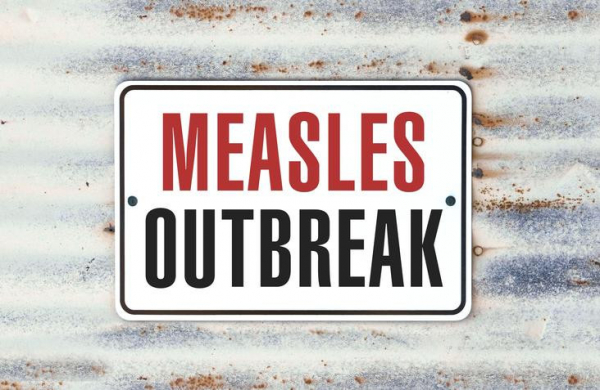
    A road sign with the words "Measles Outbreak" in red and black against a wavy white and rusted steel background

    Has the recent news about measles outbreaks in the US surprised you? Didn’t it seem like we were done with measles?

    In the US, widespread vaccination halted the ongoing spread of measles more than 20 years ago, a major public health achievement. Before an effective vaccine was developed in the 1960s, nearly every child in the US got measles. Complications like measles-related pneumonia or hearing loss were common, and 400 to 500 people died each year.

    As I write this, there have been 884 confirmed cases in 29 states, mostly among children. The biggest outbreak is in west Texas, where 64 people have been hospitalized and two unvaccinated school-age children recently died, the first measles deaths in the US since 2015. Officials in New Mexico have also reported a measles-related death.

    Can we prevent these tragedies?

    Measles outbreaks are highly preventable. It’s estimated that when 95% of people in a community are vaccinated, both those individuals and others in their community are protected against measles.

    But nationally, measles vaccination rates among school-age kids fell from 95% in 2019 to 92% in 2023. Within Texas, the kindergarten vaccination rates have dipped below 95% in about half of all state counties. In the community at the center of the west Texas outbreak, the reported rate is 82%. Declining vaccination rates are common in other parts of the US, too, and that leaves many people vulnerable to measles infections.

    Only 2% of the recent cases in the US involved people known to be fully vaccinated. The rest were either unvaccinated or had unknown vaccine status (97%), or they had received only one of the two vaccine doses (1%).

    What to know about measles

    As measles outbreaks occur within more communities, it’s important to understand why this happens — and how to stop it. Here are seven things to know about measles.

    The measles virus is highly contagious

    Several communities have suffered outbreaks in recent years. The measles virus readily spreads from person to person through the air we breathe. It can linger in the air for hours after a sneeze or cough. Estimates suggest nine out of 10 nonimmune people exposed to measles will become infected. Measles is far more contagious than the flu, COVID-19, or even Ebola.

    Early diagnosis is challenging

    It usually takes seven to 14 days for symptoms to show up once a person gets infected. Common early symptoms — fever, cough, runny nose — are similar to other viral infections such as colds or flu. A few days into the illness, painless, tiny white spots in the mouth (called Koplik spots) appear. But they’re easy to miss, and are absent in many cases. A day or two later, a distinctive skin rash develops.

    Unfortunately, a person with measles is highly contagious for days before the Koplik spots or skin rash appear. Very often, others have been exposed by the time measles is diagnosed and precautions are taken.

    Measles can be serious and even fatal

    Measles is not just another cold. A host of complications can develop, including

    • brain inflammation (encephalitis), which can lead to seizures, hearing loss, or intellectual disability
    • pneumonia
    • eye inflammation (and occasionally, vision loss)
    • poor pregnancy outcomes, such as miscarriage
    • subacute sclerosing panencephalitis (SSPE), a rare and lethal disease of the brain that can develop years after the initial measles infection.

    Complications are most common among children under age 5, adults over age 20, pregnant women, and people with an impaired immune system. Measles is fatal in up to three of every 1,000 cases.

    During the latest outbreaks, 94 cases —nearly one in nine — have required hospitalization.

    Getting measles may suppress your immune system

    When you get sick from a viral or bacterial infection, antibodies created by your immune system will later recognize and help mount a defense against these intruders. In 2019, a study at Harvard Medical School (HMS) found that the measles virus may wipe out up to three-quarters of antibodies protecting against viruses or bacteria that a child was previously immune to — anything from strains of the flu to herpesvirus to bacteria that cause pneumonia and skin infections.

    “If your child gets the measles and then gets pneumonia two years later, you wouldn’t necessarily tie the two together. The symptoms of measles itself may be only the tip of the iceberg,” said the study’s first author, Dr. Michael Mina, who was a postdoctoral researcher in the laboratory of geneticist Stephen Elledge at HMS and Brigham and Women’s Hospital at the time of the study.

    In this video, Mina and Elledge discuss their findings.

    Vaccination is highly effective

    Two doses of the current vaccine provide 97% protection — much higher than most other vaccines.  Rarely, a person gets measles despite being fully vaccinated. When that happens, the disease tends to be milder and less likely to spread to others.

    The measles vaccine is safe

     The safety profile of the measles vaccine is excellent. Common side effects include temporary soreness in the arm, low-grade fever, and muscle pain, as is true for most vaccinations. A suggestion that measles or other vaccines cause autism has been convincingly discredited. However, this often-repeated misinformation has contributed to significant vaccine hesitancy and falling rates of vaccination.

    Ways to protect yourself from measles infection

    • Vaccination. Usually, children are given the first dose around age 1 and the second between ages 4 and 6 as part of the Measles-Mumps-Rubella (MMR) vaccine. If a child — or adult — hasn’t been vaccinated, they can have these doses later.

      If you were born after 1957 and received a measles vaccination before 1968, consider getting revaccinated or tested for measles antibodies (see below). The vaccine given before 1968 was less effective than later versions. And before 1957, most people became immune after having measles, although this immunity can wane.

    • Isolation. To limit spread, everyone diagnosed with measles and anyone who might be infected should avoid close contact with others until four days after the rash resolves.
    • Mask-wearing by people with measles can help prevent spread to others. Household members or other close contacts should also wear a mask to avoid getting it.
    • Frequent handwashing helps keep the virus from spreading.
    • Testing. If you aren’t sure about your measles vaccination history or whether you may be vulnerable to infection, consider having a blood test to find out if you’re immune to measles. Memories about past vaccinations can be unreliable, especially if decades have gone by, and immunity can wane.
    • Pre-travel planning. If you are headed to a place where measles is common, make sure you are up to date with vaccinations.

    The bottom line

    While news about measles in recent months may have been a surprise, it’s also alarming. Experts warn that the number of cases (and possibly deaths) are likely to increase. And due to falling vaccination rates, outbreaks are bound to keep occurring. One study estimates that between nine and 15 million children in the US could be susceptible to measles.

    But there’s also good news: we know that measles outbreaks can be contained and the disease itself can be eliminated. Learn how to protect yourself and your family. Engage respectfully with people who are vaccine hesitant: share what you’ve learned from reliable sources about the disease, especially about the well-established safety of vaccination.

    About the Author

    photo of Robert H. Shmerling, MD

    Robert H. Shmerling, MD, Senior Faculty Editor, Harvard Health Publishing; Editorial Advisory Board Member, Harvard Health Publishing

    Dr. Robert H. Shmerling is the former clinical chief of the division of rheumatology at Beth Israel Deaconess Medical Center (BIDMC), and is a current member of the corresponding faculty in medicine at Harvard Medical School. … See Full Bio View all posts by Robert H. Shmerling, MD

  • Supporting a loved one with prostate cancer: A guide for caregivers

    Supporting a loved one with prostate cancer: A guide for caregivers

    A middle-age couple having a serious conversation while sitting on the couch in their home; the husband has his hands clasped together and the wife looks sympathetic as she listens to him.

    Looking after a loved one who has prostate cancer can be overwhelming. Caregivers — usually partners, family members, or close friends — play crucial roles in supporting a patient's physical and psychological well-being. But what does that entail? You as a caregiver might not know what to say or how to help.

    "Patients diagnosed with advanced cancer are facing their own mortality," says Dr. Marc Garnick, the Gorman Brothers Professor of Medicine at Harvard Medical School and Beth Israel Deaconess Medical Center, and editor in chief of the Harvard Medical School Guide to Prostate Diseases. "And they each process that in different ways."

    Dr. Garnick emphasizes the need provide patients and families with the best information possible about the specifics of the diagnosis, symptoms, and available treatments. Some patients have near-miraculous responses to treatment, he says, even when they have very advanced cancer. "We let patients know that there are reasons to be optimistic, as treatments are improving on a regular basis," he says.

    Communication

    Dr. Garnick points out that clinicians should avoid words or phrases that can leave cancer patients feeling unempowered. A phrase like "Let's not worry about that now," for instance, is dismissive and doesn't respond to a patient's legitimate concerns. Saying "You're lucky your cancer is only stage 2" doesn't allow for the fear and anxiety a patient may have over his disease.

    Along similar lines, "It's important for caregivers to be receptive to what their loved ones are saying," Dr. Garnick says. "Instead of minimizing or questioning what your loved one is telling you, try asking 'What do you need? Tell me what you think is going to help you feel better.'"

    While it's natural to offer reassurance, you should also give your loved one space to express himself openly without offering quick solutions. Be aware that treatment can lead to emotional ups and downs, so expect mood fluctuations.

    One of the most valuable tools you have as a caregiver is the relationship you've built with your loved one over the years. During this challenging time, remind yourself of the bonds you've created together. Shared memories, inside jokes, and mutual interests can provide strength and comfort.

    Day-to-day practical support

    Managing medications can be challenging. Cancer patients can take a dozen or more pills per day on varying schedules. You can help your loved one stay on track by setting up a pill organizer (available at most drugstores) that sorts medications according to when they're needed.

    Patients with advanced prostate cancer are now being treated more often with drug combinations that include chemotherapy as well as hormonal therapies. Chemotherapy can leave patients feeling unusually cold, and patients may also get cold after experiencing hot flashes from hormonal therapy. So keep lots of blankets and warm hats on hand.

    Collaborate on a journal where you and your loved one keep health information in one place. It should contain the names and contacts of clinicians on his team, as well as details of his treatment plan. The journal can also double as a diary where you both record treatment experiences.

    You might be tasked with coordinating medical appointments. It's important to keep lists of questions you may have. Take notes so you have a record of what doctors and other people on his care team have told you. Also, you should take some time to familiarize yourself with your loved one's insurance policies or Medicare plans so you have a better understanding of what's covered.

    Don't forget to take care of yourself!

    As a caregiver, it's easy to get lost in your loved one's needs. But caring for someone with cancer while managing household responsibilities can also leave you feeling isolated, burned out, and even depressed. It's essential to also prioritize your own health and well-being.

    Make sure that you get enough sleep and exercise. Keep up with your own checkups and screening. Try to eat well, and prepare meals ahead of time to reduce stress and save time on busy days. Take breaks! Caregiving can be intense, so take time to recharge by taking a walk, reading a book, or spending time with friends.

    Here are some valuable resources that can help.

    Help for Cancer Caregivers provides support on managing feelings and emotions, keeping healthy, day-to-day needs, working together, and long-distance caregiving.

    The Prostate Cancer Foundation provides an array of educational materials, including a "caregiver's toolkit" that helps caregivers understand treatment options, side effects, and ways to be actively involved in the decision-making process.

    The Patient Advocate Foundation offers case management services to help caregivers and patients understand insurance coverage, financial assistance programs, and other resources that can reduce the financial burden of cancer treatment.

    About the Author

    photo of Charlie Schmidt

    Charlie Schmidt, Editor, Harvard Medical School Annual Report on Prostate Diseases

    Charlie Schmidt is an award-winning freelance science writer based in Portland, Maine. In addition to writing for Harvard Health Publishing, Charlie has written for Science magazine, the Journal of the National Cancer Institute, Environmental Health Perspectives, … See Full Bio View all posts by Charlie Schmidt

    About the Reviewer

    photo of Marc B. Garnick, MD

    Marc B. Garnick, MD, Editor in Chief, Harvard Medical School Annual Report on Prostate Diseases; Editorial Advisory Board Member, Harvard Health Publishing

    Dr. Marc B. Garnick is an internationally renowned expert in medical oncology and urologic cancer. A clinical professor of medicine at Harvard Medical School, he also maintains an active clinical practice at Beth Israel Deaconess Medical … See Full Bio View all posts by Marc B. Garnick, MD